How to Prevent Common Pole Dance Injuries
2 September, 2025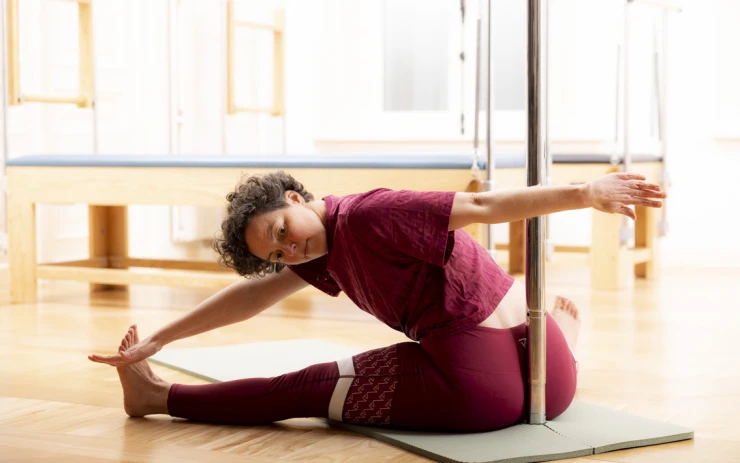
Pole dance is a powerful blend of strength, flexibility, and artistry—but like any physical discipline, it carries the risk of injury. Whether you're a beginner or a seasoned pole dancer, injury prevention should be part of your regular practice. The good news is, most common pole dance injuries can be avoided with the right preparation, technique, and recovery habits. Here’s how to keep your body strong, safe, and spinning.
1. Warm Up Like You Mean It
A proper warm-up is non-negotiable. Cold muscles are stiff and more prone to tears, strains, and sprains. Your warm-up should increase your heart rate, mobilize your joints, and activate your muscles. Think dynamic movements like arm circles, spinal rolls, hip openers, and light cardio. Aim for 10-15 minutes to fully prepare your body.
Pro tip: Pay extra attention to shoulders, wrists, and hips—these joints work hard in pole routines.
2. Train Smart, Not Just Hard
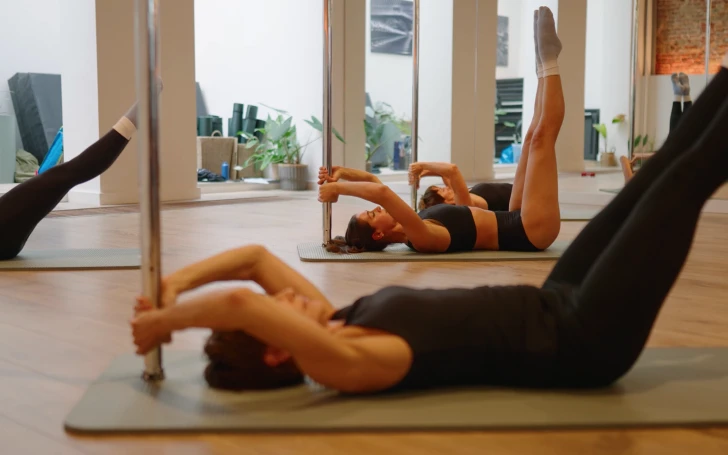
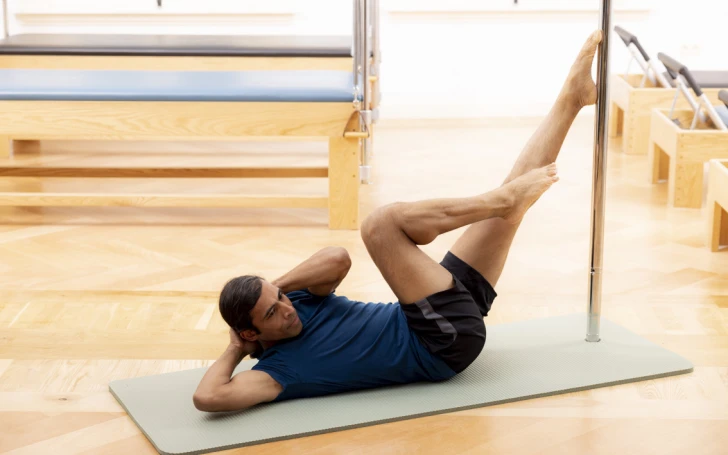
Overtraining is a common cause of injury, especially for ambitious dancers pushing for new tricks. While dedication is key, listening to your body is just as important. Pain, fatigue, and mental burnout are signs it’s time to rest. Schedule recovery days into your week, and mix in complementary workouts like Pole Dance Pilates to build supportive strength and mobility.
3. Prioritize Technique Over Tricks
It’s tempting to jump into advanced inversions or spins, but poor technique is a fast track to injury. Always master the basics before moving on. If you’re unsure about your form, ask a certified instructor for feedback. Even experienced dancers can fall into bad habits—ongoing technique checks help prevent long-term wear and tear.
Remember: Slow, controlled movements build more strength and stability than rushed ones.
4. Protect Your Shoulders and Wrists
Shoulder impingements and wrist strains are among the most common pole-related injuries. To prevent these:
- Strengthen your rotator cuffs and scapular stabilizers for example with the Pole Dance Pilates Arm Weight Series.
- Maintain proper shoulder alignment—don’t let them shrug up during holds.
- Work on wrist and grip strength with the Pole Dance Pilates targeted exercises.
A Pilates-based routine that focuses on shoulder mobility and core control can be a game changer for injury prevention.
5. Don’t Skip the Cool Down
Stretching after pole practice helps reduce muscle soreness and keeps your body flexible and balanced. Focus on lengthening muscles that tend to tighten during training, like your hip flexors, hamstrings, shoulders, and back. Incorporate deep breathing and relaxation techniques to help your nervous system shift into recovery mode.
6. Know When to Rest
Injuries often start small—with tightness, irritation, or a twinge of pain. Don’t ignore these early signs. Rest, ice, or modify your movements to allow healing. It’s better to take one day off than to be sidelined for weeks.
Final Thoughts
Pole dance is as rewarding as it is physically demanding. By warming up, training smart, using proper technique, and giving your body time to recover, you’ll not only prevent injuries—you’ll dance stronger, longer, and more confidently. Make injury prevention part of your pole journey, and your future self will thank you.