3 Effective Ways to Recover from a Demanding Pole Dance Training
2 September, 2025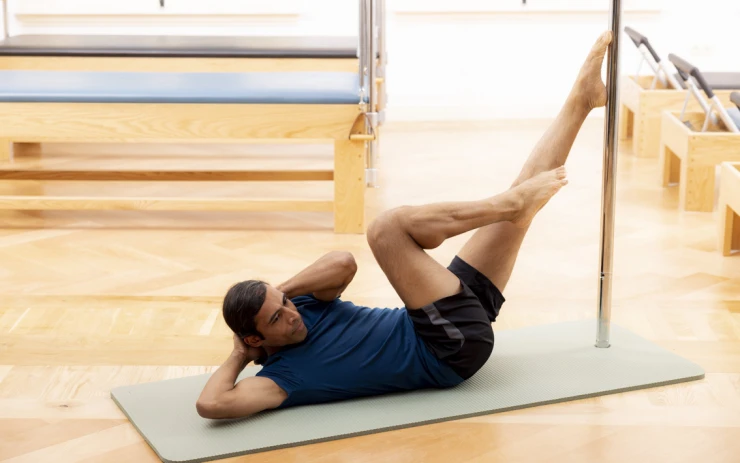
Pole dance training is exhilarating, empowering, and incredibly demanding on the body. Whether you're working on spins, inverts, or advanced combos, every session challenges your strength, flexibility, and endurance. But just as important as your training routine is how you recover. Proper recovery not only reduces soreness but also helps prevent injuries and ensures you come back stronger for your next class.
Here are three effective recovery strategies every pole dancer should have in their toolkit:
1. Active Recovery and Gentle Movement
After an intense pole session, your body might be screaming for rest—but don’t just crash on the couch. Active recovery is about engaging in low-intensity movement to help your muscles heal and reduce stiffness. This might include:
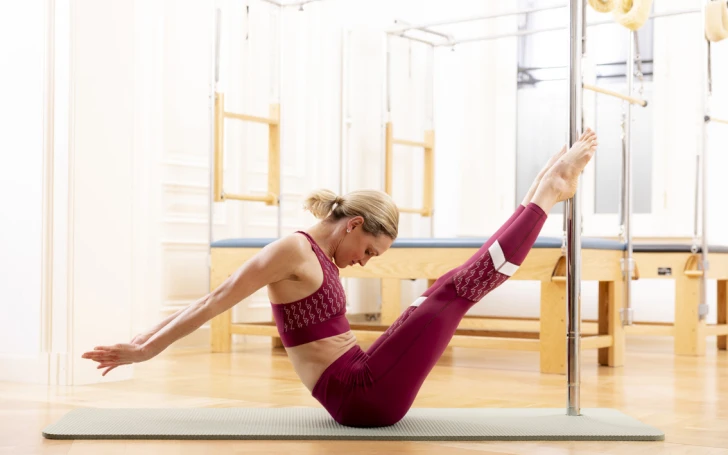
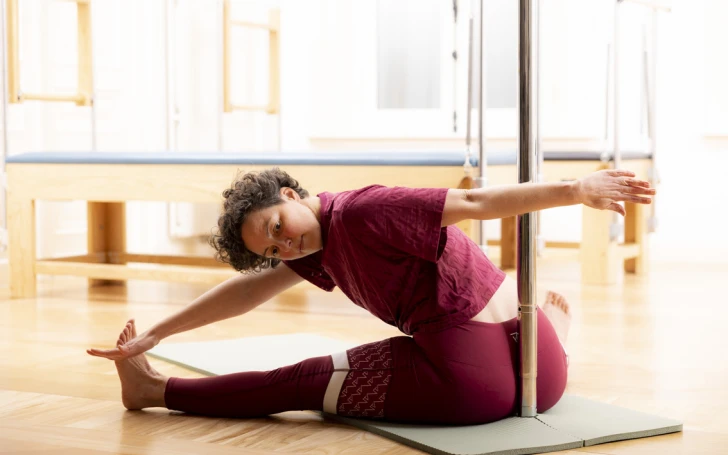
- Gentle Pole Dance Pilates or Yoga: These are perfect for pole dancers. Pole Dance Pilates focuses on core strength and alignment, helping restore balance after a session of asymmetrical movements. Yoga promotes flexibility and relaxation, gently stretching out those tight shoulders, hips, and hamstrings.
- Walking or Light Cycling: Just 20–30 minutes of movement the day after training increases blood flow and aids in flushing out lactic acid buildup.
By moving mindfully, you’ll recover faster and feel more mobile in your next session.
2. Prioritize Myofascial Release
Pole dancers are no strangers to sore muscles and tight fascia. Foam rolling and self-massage techniques are crucial tools for muscle recovery. These help:
- Break down adhesions in connective tissue
- Increase circulation
- Reduce delayed onset muscle soreness (DOMS)
Focus on areas that tend to get overworked in pole training: the lats, shoulders, forearms, hip flexors, and glutes. You can use tools like foam rollers, massage balls, or even a massage gun. Aim to spend 1–2 minutes per muscle group and breathe deeply to enhance the release.
Bonus tip: Schedule a professional sports massage every few weeks if possible—it can work wonders for chronic tightness and muscle imbalances.
3. Fuel and Hydrate for Faster Recovery
Recovery starts from the inside out. What you eat and drink after training directly affects how quickly your body can repair muscle tissue and replenish energy stores.
- Hydrate: Sweating during pole depletes essential electrolytes. Replenish with water, and consider a light electrolyte drink if the session was especially intense.
- Refuel with Protein and Carbs: A balanced post-training meal or snack should include both. Protein supports muscle repair, while carbohydrates restore glycogen (your muscle’s fuel). Think: a smoothie with protein powder and fruit, Greek yogurt with honey, or a chicken and quinoa bowl.
Don’t wait too long to eat—ideally, aim for within 30–60 minutes post-training.
Final Thoughts
Pole dance is a full-body sport that demands respect—and recovery. By incorporating active recovery, fascia release, and proper nutrition into your routine, you’ll not only feel better between sessions but also see progress faster.
Remember: training breaks your muscles down; recovery builds them back stronger.