6 Tips on how to Get Beautiful Lines and Pointed Feet for Pole Dancing
2 September, 2025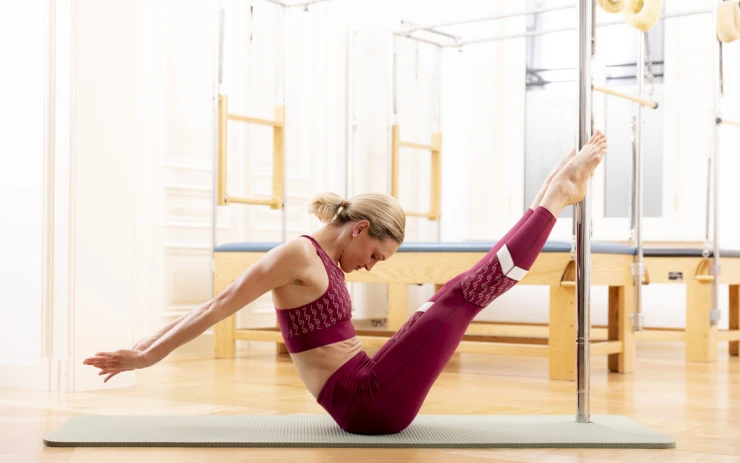
Whether you're a beginner or a seasoned pole dancer, achieving clean, beautiful lines and perfectly pointed feet can dramatically elevate the elegance and strength of your movement. Beautiful lines aren’t just about aesthetics—they create visual flow, enhance body awareness, and reflect technical control. Paired with pointed feet, they can transform even the simplest shapes into stunning works of art. Here are some practical tips to help you improve both.
1. Build Foot Awareness
The first step to pointing your feet properly is understanding what your foot is doing during each movement. A true “point” involves engaging the entire foot, not just curling the toes. Think of extending through the ankle, arch, and lengthening your leg all the way to the tip of your toes.
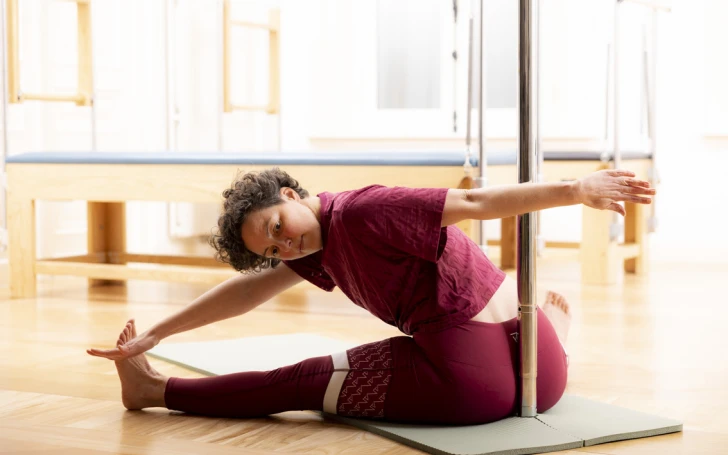
Try this: Sit on the floor with your legs straight. Flex your feet, then slowly articulate through your feet as you point—first the ball of the foot, then the toes. Reverse to return to flexed. Practice daily to build muscle memory.
2. Strengthen the Ankles and Arches
Strong feet and ankles are essential for maintaining a point, especially mid-move or while inverted. Weakness here can lead to "sickling" (where the foot turns inward), which breaks the line and increases injury risk.
Exercise tip: Use a resistance band to practice pointing and flexing. Wrap the band around the ball of your foot, hold the ends with your hands, and push into the band as you articulate your foot. Repeat on both sides, 10–15 reps.
3. Engage the Whole Leg
A pointed foot means little if the leg is disengaged or bent at odd angles. Full body extension starts from the hip. Engaging the quadriceps and inner thighs helps lengthen the leg and create clean lines from hip to toe.
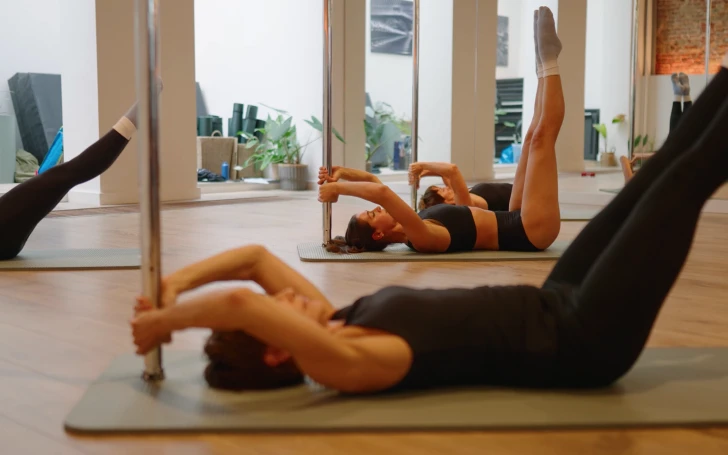
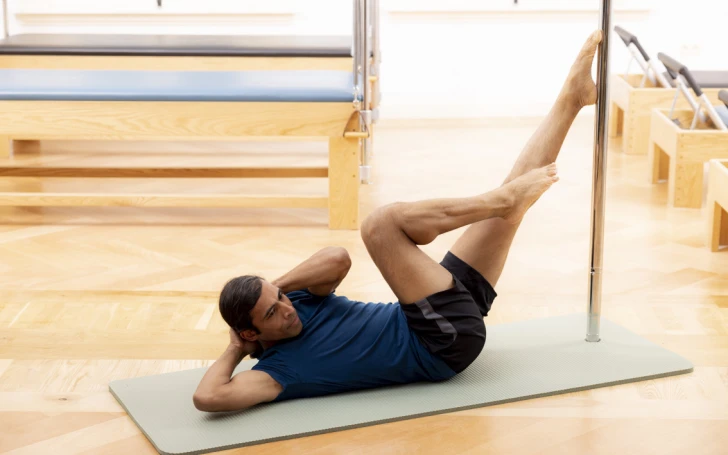
Pole Dance Pilates, with exercises such as single leg circles and the series of five, is a great way to work on inner thighs and help condition your legs for length and control.
4. Practice Active Flexibility
Beautiful lines aren’t just static—they happen in motion. That’s where active flexibility comes in: the ability to move through a range of motion with strength and control. This is especially important for pole dancers when transitioning between shapes or holding poses mid-air.
Try this: Incorporate dynamic stretching like leg swings, controlled leg lifts, and flowing sequences from Pilates or contemporary dance. Always focus on engaging your core and moving with intention.
5. Mirror Work and Video Feedback
Sometimes you think you're pointing your feet—but video or mirrors say otherwise. Use them! Watching yourself helps identify habits like lazy feet, sickling, or inconsistencies between sides.
Pro tip: Try filming yourself during practice and take screenshots of your poses. Compare them to your goals or favorite dancers for visual feedback. This is also a great way to track your own progress.
6. Be Consistent and Patient
Pointed feet and beautiful lines don't happen overnight. Like any muscle memory, it requires regular, mindful practice. Even 5 minutes a day of footwork can yield big improvements over time.
Final Thoughts
Pole dancing is the perfect blend of strength and grace. By focusing on the finer details—like pointed feet and elongated lines—you not only improve your performance but also honor the art form. Add these techniques to your warm-up or cool-down, and soon they’ll become second nature.